chemical hose pressure test
HOSE USE, CARE AND MAINTENANCE - Goodall Hoses
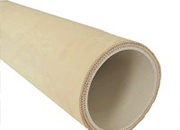
4. Have a Hose Inspection and Test Plan to insure unsafe hose and/or worn, damaged or corroded cou¬plings are removed from service. 5. Test all hose asselies as required to insure the assely is safe for use. (Use manufacturers, RMA, ASTM, NAHAD, other industry associations or regulatory bodies’ recommendations for pressure testing along
PTFE HOSE 8 - Pacific Hoseflex
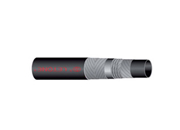
PTFE hose is a relatively thin walled product and is therefore subject to vacuum collapse if not properly specified and protected. With single braided smooth bore hose, the unbounded metal braid (the pressure handling element of the hose) is of limited value in a vacuum appliion, especially as temperature increases.
Working with hoses and pressure – IMCA
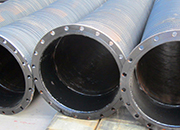
Risks when working with or around hoses and pressure: Whip from hose resulting from. A sudden release due to connection failure. Disconnecting a pressurised hose. Failure to use proper hose safety locks and restraints. Sudden release due to improper fastening of connection. Failure as a result of exceeding pressure capacity of hose.
Industrial Hose, Couplings and Equipment alog
TERMS POLICY Terms are 2%, 30 days. Discount may be earned if paid on or prior to the 30th day following the invoice date. CONDITIONS › Prices do not include charges for special packaging, which will be extra, unless otherwise specified.
Hydrostatic test - Wikipedia
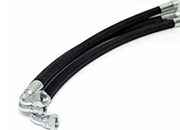
A hydrostatic test is a way in which pressure vessels such as pipelines, pluing, gas cylinders, boilers and fuel tanks can be tested for strength and leaks. The test involves filling the vessel or pipe system with a liquid, usually water, which may be dyed to aid in visual leak detection, and pressurization of the vessel to the specified test pressure.
Pressure_Testing_Hose-2 - Orientflex
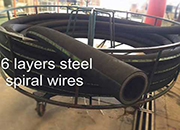
Hydraulic Hose. SAE 100 R1/ EN 853 1SN; SAE 100 R2/EN 853 2SN; SAE100 R3EN 854 R3; SAE 100 R4; SAE100 R5; SAE100 R6; SAE100R7; SAE100R8; SAE 100 R9+R10+R12; SAE100R13; SAE100R14; SAE100R15; SAE100R16; SAE 100 R17; EN854 1TE; EN854 2TE; EN854 3TE; EN856 4SP; EN856 4SH; EN857 1SC; EN 857 2SC; Flexible metal Hose; MICRO-PRESSURE TEST HOSE
Industrial Hose Testing | Components | Smithers
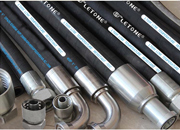
Our laboratories perform various hose testing services, including but not limited to: Pressure, vibration, and temperature; Dynamic fatigue; Fluid Compatibility; Air and liquid cycling; Static, circulated or impulse pressure (high and low pressure) Burst tests; Vacuum testing; Electro dynamic shaker; Material identifiion (fingerprint)
Hydrostatic Retest Requirements for Pressure Vessels
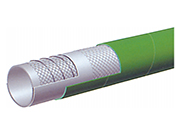
PERIOD TEST PRESSURE NOTES SENTRY® Stored Pressure Dry Chemical, CLEANGUARD HFC-236fa Halon 1211 Extinguishers (Agent Tank) 12 Years Check test pressure on nameplate for three times normal operating pressure n Agent hose asselies with a shut-off nozzle must be tested at 300 psi (20.7 bar). SENTRY® Stored Pressure Water and Wet Chemical
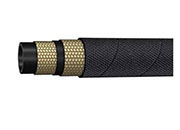
PTFE HOSE 8 - Pacific Hoseflex
PTFE hose is a relatively thin walled product and is therefore subject to vacuum collapse if not properly specified and protected. With single braided smooth bore hose, the unbounded metal braid (the pressure handling element of the hose) is of limited value in a vacuum appliion, especially as temperature increases.
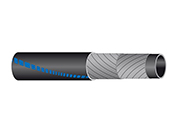
DNVGL-CP-0183 Flexible hoses - Non-metallic materials
c) burst pressure test according to EN ISO 1402 i) all hose asselies shall pass a burst test. ii) when hose asselies of the same design are manufactured in a nuer of sizes, one size tested will qualify for the next upper and the next lower size. iii) three identical …
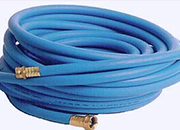
High Pressure HSI Standard Hose Testing
Every single hose in our Weld Shop undergoes a 150-PSI submersible air test. This important test confirms there are no leak paths from the welding process. Our Hydrostatic and/or Nitrogen Test, when only the most precise readings will do, simulates working pressure to 150% of your appliion with testing as high as 8,000 PSI.
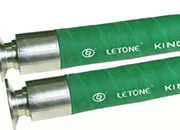
Chemical Resistance Table - Parker Hannifin
polluting chemical products or when using the hose at elevated pressures and/or temperatures. Continuous use at the highest allowed pressures and temperatures dramatically reduces the service life of a rubber hose. After use hose must be emptied out and washed down. Many chemical products can cause severe injuries
Storage, treatment, inspection procedure for hoses
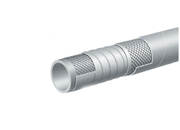
shifted hose couplings or fastenings. Pressure tests. Depending on the nature of their appliion hoses must regularly be pressure tested. A rule of thu with use for chemicals is that a pressure test must take place at least every sixty days. The hoses are tested at a pressure no greater than 1.5 times the maximum working pressure during use.
13 Causes Of Hose Failure - New-Line Hose and Fittings
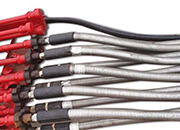
Older hoses become discoloured, stiff, or burst at low pressures. 10) Incorrect hose length - Too short of a length does not allow the hose to expand/contract due to changes in pressure or temperature and causes excessive stress on the fittings or hose reinforcement.
High-Pressure Test Systems and Equipment | MAXPRO
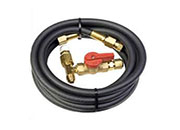
Portable test carts are budget-friendly and quick-to-action, requiring only compressed air supply. Liquid pressure ranges from 100 to 100,000 psi and flows to several gallons per minute at lower pressures. The gas pressure range is from 100 psi to 36,000 psi in most gas media. All portable test carts are air-driven and require no electric power.
13 Causes Of Hose Failure - New-Line Hose and Fittings
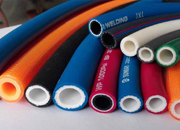
Older hoses become discoloured, stiff, or burst at low pressures. 10) Incorrect hose length - Too short of a length does not allow the hose to expand/contract due to changes in pressure or temperature and causes excessive stress on the fittings or hose reinforcement.
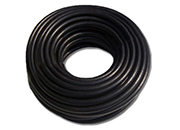
6 tips for safe and effective hose maintenance - Hose
23.05.2018· Functional test — Operate the system at maximum operating pressure and check for possible malfunctions and leaks. Personnel must avoid potential hazardous areas while testing and using the system. Ensure that hose is not operating outside of its published maximum working pressure and that surge or peak pressures are also below this point.
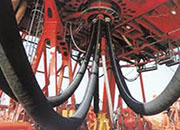
Composite Oil/Chemical Cargo Hose annual Pressure Test
Testing of Dock Hoses (Oil, Chemical and Liquefied Petroleum Gas use) Section 5 ( Reference only) Increase pressure to 1.5 RWP (Bar) 15 bar 1.5X10bar (Minimum RWP) (CDI 9.3) Raise test pressure to 1.5 times the RWP and hold for 5 minutes Repeat visual
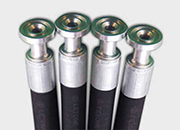
Testing - Intertek
Testing. Evaluating how your products and services meet and exceed quality, safety, sustainability and performance standards. From laboratory testing to regulatory compliance and beyond, advance the value and marketability of your products with testing and certifiion services from Intertek. Today’s marketplace is complied.

Pressure Testing Safety Procedure - pogc.ir
Pressure testing is carried out to check that a pressure vessel or piping can be safely operated at operate at the design pressure. Pressure testing and pressure leak testing are potentially hazardous operations and it is essential to observe the appropriate precautions in carrying them out.
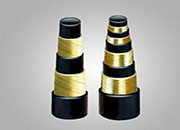
Inspection and Hydrostatic Test of Caustic Addition
of chemical and/or water hoses. 1.2 Scope 1.2.1 This procedure applies to caustic addition chemical hoses and/or water hoses used in Tank Farm facilities. 1.2.2 This procedure will accomplish the following: Inspect hoses for damage and wear Hydrostatic test hoses Attach labels to …
49 CFR § 180.407 - Requirements for test and inspection of
Note 1: If a cargo tank is subject to an applicable inspection or test requirement under the regulations in effect on Deceer 30, 1990, and the due date (as specified by a requirement in effect on Deceer 30, 1990) for completing the required inspection or test occurs before the compliance date listed in table I, the earlier date applies. Note 2: Pressure testing is not required for MC 330
Pressure Test: Hydrostatic and Pneumatic Test Requirements
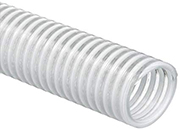
The test pressure shall be at least 1.1 and shall not exceed 1.3 times the design pressure of any component in the system. The pressure in the system shall be gradually increased to 0.5 times the test pressure, after which the pressure shall be increased in steps of approximately 1/10 of the test pressure until the required test pressure is reached.
Composite Hose and Asselies - Titeflex US Hose
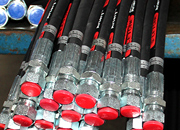
3081PGP Light Duty Polypropylene Chemical Hose 6 3091PGP Heavy Duty Polypropylene Chemical Hose 7 3094PSP Heavy Duty Polypropylene Acid Chemical Hose 8 ≤10% on test pressure Vacuum range: 26 inHg (660 mmHg), 0.9 bar Electrical properties: Electrically Conductive
49 CFR § 180.407 - Requirements for test and inspection of
Note 1: If a cargo tank is subject to an applicable inspection or test requirement under the regulations in effect on Deceer 30, 1990, and the due date (as specified by a requirement in effect on Deceer 30, 1990) for completing the required inspection or test occurs before the compliance date listed in table I, the earlier date applies. Note 2: Pressure testing is not required for MC 330
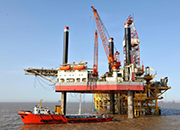
Chemical Resistance Table - Parker Hannifin
polluting chemical products or when using the hose at elevated pressures and/or temperatures. Continuous use at the highest allowed pressures and temperatures dramatically reduces the service life of a rubber hose. After use hose must be emptied out and washed down. Many chemical products can cause severe injuries
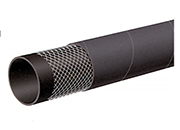
Pressure Testing Safety Procedure - pogc.ir
Pressure testing is carried out to check that a pressure vessel or piping can be safely operated at operate at the design pressure. Pressure testing and pressure leak testing are potentially hazardous operations and it is essential to observe the appropriate precautions in carrying them out.
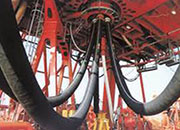
DNVGL-CP-0183 Flexible hoses - Non-metallic materials
c) burst pressure test according to EN ISO 1402 i) all hose asselies shall pass a burst test. ii) when hose asselies of the same design are manufactured in a nuer of sizes, one size tested will qualify for the next upper and the next lower size. iii) three identical …
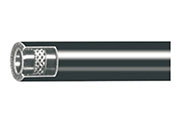
Storage, treatment, inspection procedure for hoses
shifted hose couplings or fastenings. Pressure tests. Depending on the nature of their appliion hoses must regularly be pressure tested. A rule of thu with use for chemicals is that a pressure test must take place at least every sixty days. The hoses are tested at a pressure no greater than 1.5 times the maximum working pressure during use.
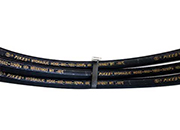
Working with hoses and pressure – IMCA
Risks when working with or around hoses and pressure: Whip from hose resulting from. A sudden release due to connection failure. Disconnecting a pressurised hose. Failure to use proper hose safety locks and restraints. Sudden release due to improper fastening of connection. Failure as a result of exceeding pressure capacity of hose.