oil resistant chemical hose compatibility
HOSES - FLUID COMPATIBILITY CHART
HOSES - FLUID COMPATIBILITY CHART OILS CLASSIFIION - ACCORDING TO ISO 6743-4 STD HYDRAULIC OILS HH – highly refined mineral oils HS – synthetic fluids FLAME RESISTANT OILS WATER BASED HFA – Fluids with not less than 80% of H 2O HFAE Oil + Water + Additives HFAS Chemical solutions + Water HFB – Water and oil emulsions - H 2O>40%
chemical table silicone - Parker Hannifin
Chemical Resistance Guide for Silicone Hose Chemical * Acetic acid, dilute, 10% B Acetic acid glacial C Acetic acid anhydride I Acetone X Acetylene C Air 68 °F (20 °C) A Air 150 °F (65 °C) A Aluminum chloride 150 °F (65 °C) A Aluminum fluoride 150 °F (65 °C) B Aluminum sulfate 150 °F (65 °C) A Alums 150 °F (65 °C) A Ammonia gas, anhydrous I Ammonia 10%water solution A Ammonia 30

Nylon 12 Chemical Resistance Chart - SMC Pneumatics
Diesel Oil Naphtha solvent Kerosene Crude oil Styrene - Seasoning - 2, 4-D solvent - Linderene-DDT - Oxyquinoline - Soapy water Turpentine oil - Edible vinegar X Thinner Freon 23 (Subject to condition) Grease (Tubing could harden This chemical resistance chart is meant to be used as a guideline only. Due to variables such as temperature and chemical mixture, it is essential to test under

HOSES - FLUID COMPATIBILITY CHART
HOSES - FLUID COMPATIBILITY CHART OILS CLASSIFIION - ACCORDING TO ISO 6743-4 STD HYDRAULIC OILS HH – highly refined mineral oils HS – synthetic fluids FLAME RESISTANT OILS WATER BASED HFA – Fluids with not less than 80% of H 2O HFAE Oil + Water + Additives HFAS Chemical solutions + Water HFB – Water and oil emulsions - H 2O>40%

CHEMICAL RESISTANCE CHARTS FOR HOSE
Castor Oil G G G G G F G G — F G X F F G X X G G G G G Cellosolve G G X X X X G G — F F X X X X X — G G X X G Acetate Chlorinated G* G* X X X X G G G X X X X X X — X F X G G F Solvents Fluid Hose and Tubing Material Metals UHMW XLPE PVC Nitrile Vinyl Nylon Nitrile Neoprene Teflon (PTFE) (FEP) 6/66 EPDM Hypalon Na tu ra l R ubb e r /S B R Hytrel Polyurethane CPE Brass Steel 316
Chemical Resistance Chart - Continental Industry
Chemical Resistance Chart CONTI® CHEM Chemical hoses 2 use (column ‘DE’) or short-term use (column ‘KE’). Depending upon dynamic working stress, medium purity, frequency of media change and temperature the resistance data of the lining material may vary. ContiTech hoses are suitable for use up to the maximum temperature limit stated in the chart for both permanent and short-term use
Chemical Resistance Chart for PVC Hoses & Tubes & More
Chemical resistance of polyurethane hoses and composite hoses sleeved with polyurethane. The polyurethane is not recommended for continuous use in contact with water above 40°c (or solutions containing water above 40°c) because of its hydrolyzing effect. Hydrolysis can also occur with long exposure to: High humidity at elevated temperatures, Acid and alkali solutions, Aerated water, Fungi
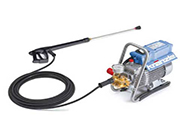
Chemical Resistance | Hose and Fittings Source
The Chemical Guides in this section are offered as a general indiion of the compatibility of the various compounds incorporated in Parker hose with the chemicals, fluids and media listed. This is information is available to the public provided by Parker Industrial Hose in alog 4800 and re-presented here by HoseandFittings. The basis for the ratings include actual service experience
Chemical Resistant Hose | Chemical Hose Compatibility Tool
10.07.2012· Why PTFE Lined Hose Asselies are Your Chemical Hose of Choice? PTFE lined hose with braided SS reinforcement is extremely flexible and versatile for use as a chemical hose. For example, our B-Flex and C-Flex PTFE hoses are ideal for low to high pressure and a wide range of temperatures. They are easy to drain and can handle a variety of chemical fluids, gases and …
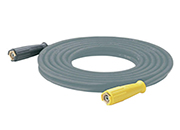
Verderflex Chemical Compatibility Guide
Chemical Compatibility Guide Choosing the best hose and tube for your appliion. Verderflex Tube Selection Choosing the best tube for your appliion The tube is the heart and soul of any peristaltic pump: a poorly selected tube will result in frequent tube changes and increased overall cost of ownership of any equipment. Conventionally, tube size is stated as Internal Diameter (ID) x Wall
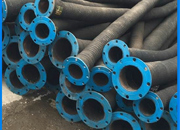
Appliion Data A Chemical Compatibility Chart
A-19 EATON Industrial Hose and Tubing Master alog E-HOOV-MC003-E1 Septeer 2009 A Appliion Data Chemical Compatibility Chart WARNING – This information provides guidelines for the safe use of Eaton Industrial Hose and Tubing. The informa-tion shown here was gath- ered through testing, and is accurate for controlled conditions (at 70°F unless otherwise noted). Factors such as
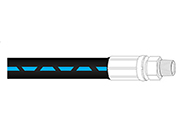
Chemical Resistance Table - Parker Hannifin
polluting chemical products or when using the hose at elevated pressures and/or temperatures. Continuous use at the highest allowed pressures and temperatures dramatically reduces the service life of a rubber hose. After use hose must be emptied out and washed down. Many chemical products can cause severe injuries
Chemical Resistance Guide - Goodall Hoses
Chemical Resistance Guide + Rubber hoses + Air + Air & Multipurpose + Anhydrous Ammonia + Chemical + Food & beverage + Gas + Hot tar & asphalt + Hydrocarbon drain + LPG + Material handling + Oil & petroleum + Steam + Water + Expandable hoses + Electrical conductive hoses + Hose suppliers + Hose supplier + Hose manufacturer + Rubber hose manufacturers + Plastic & thermo hoses + …
CHEMICAL RESISTANCE - Kuri Tec
The chemical resistance ratings for materials are based on pure material samples and may not take into account specific factors related to the material when used in a hose or tube. It is always advisable that the product be tested under actual conditions. Additionally, the Chemical Resistance Guide which follows does not imply conformance to any food handling regulations or federal or state
Chemical Compatibility Database from Cole-Parmer
The information in this chart has been supplied to Cole-Parmer by other reputable sources and is to be used ONLY as a guide in selecting equipment for appropriate chemical compatibility. Before permanent installation, test the equipment with the chemicals and under the specific conditions of your appliion. Ratings of chemical behavior listed

CHEMICAL RESISTANCE CHARTS FOR HOSE
Castor Oil G G G G G F G G — F G X F F G X X G G G G G Cellosolve G G X X X X G G — F F X X X X X — G G X X G Acetate Chlorinated G* G* X X X X G G G X X X X X X — X F X G G F Solvents Fluid Hose and Tubing Material Metals UHMW XLPE PVC Nitrile Vinyl Nylon Nitrile Neoprene Teflon (PTFE) (FEP) 6/66 EPDM Hypalon Na tu ra l R ubb e r /S B R Hytrel Polyurethane CPE Brass Steel 316
Teflon PTFE Chemical Compatibility Reference Chart
PTFE is the most versatile plastic in terms of chemical compatibility; Highly resistant to most acids, alcohols, detergents and solvents; Ideal for use with reactive and corrosive chemicals ; The melting point of PTFE 1 is 600°K (327°C / 620°F) Low temperature: maintains high strength, toughness and self-lubriion as low as 5°K (-268°C /-450°F) and good flexibility at 194°K (-79°C

Chemical Compatibility - Rubber Group
COMPATIBILITY CHART Chemical Natural Rubber SBR, GRS Butyl EPR, EPT, EPDM Buna-N, Nitrile, NBR Hydrin Neoprene Hypalon Urethane, Polyurethane Polysulfide Silicone Fluorosilicone Fluoro Elastomers LEGEND A - RECOMMENDED B - MINOR TO MODERATE EFFECT C - MODERATE TO SEVERE U - UNSATISFACTORY BLANK - INSUFFICIENT DATA Acetaldehyde C U A A U C C U C …
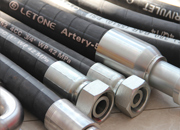
Chemical Resistant Hose | Chemical Hose Compatibility Tool
Whatever media is to be used, make sure it is compatible with the chemical resistant hose you select. Towards the top right of this page is our Chemical Hose Compatibility Tool you can use to check that the materials are suitable for the media you intend it …
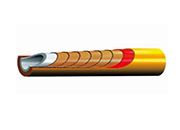
Ivg Colbachini | Chemical Resistance Chart
Consult the chemical resistance chart and you will find the perfect rubber compound for the fluid or material you need to convey. We have hoses for every use.
Chemical Guide - Kuriyama of America, Inc.
The Chemical Guides in this section are offered as a general indiion of the compatibility of the various materials NBR BUNA-N or Nitrile Nitrile-Butadiene Excellent oil resistance. Good physical properties. NR Natural Isoprene Rubber (Natural) Excellent physical properties, including abrasion resistance. Not oil resistant. SBR SBR Styrene-Butadiene Rubber Good physical properties
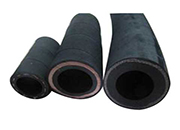
Chemical Resistance Guide - Goodall Hoses
Chemical Resistance Guide + Rubber hoses + Air + Air & Multipurpose + Anhydrous Ammonia + Chemical + Food & beverage + Gas + Hot tar & asphalt + Hydrocarbon drain + LPG + Material handling + Oil & petroleum + Steam + Water + Expandable hoses + Electrical conductive hoses + Hose suppliers + Hose supplier + Hose manufacturer + Rubber hose manufacturers + Plastic & thermo hoses + …

CHEMICAL RESISTANCE CHART - U.S. Plastic
CHEMICAL RESISTANCE DATA These recommendations are based upon information from material suppliers and careful examination of available published information and are believed to be accurate. However, since the resistance of metals, plastics and elastomers can be affected by concentration, temperature, presence of other chemicals and other factors.
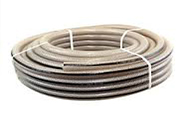
Nylon 12 Chemical Resistance Chart - SMC Pneumatics
Diesel Oil Naphtha solvent Kerosene Crude oil Styrene - Seasoning - 2, 4-D solvent - Linderene-DDT - Oxyquinoline - Soapy water Turpentine oil - Edible vinegar X Thinner Freon 23 (Subject to condition) Grease (Tubing could harden This chemical resistance chart is meant to be used as a guideline only. Due to variables such as temperature and chemical mixture, it is essential to test under
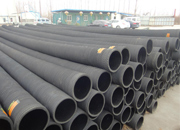
Composite Hose Chemical Resistance Chart - Novaflex
Composite Hose Chemical Resistance Chart Chemical Resistance Chart 2004-11 Effective: Nov. 2004 rev 05.2018 Canada U.K. U.S.A. Ajax, Ontario Broorough, …

Composite Hose Chemical Resistance Chart - Novaflex
Composite Hose Chemical Resistance Chart Chemical Resistance Chart 2004-11 Effective: Nov. 2004 rev 05.2018 Canada U.K. U.S.A. Ajax, Ontario Broorough, …
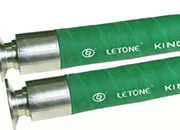
MrPEX Tubing – Chemical Resistance
The table below provides a good indiion on our PEX tubing’s compatibility with various chemicals. The list is based upon a . coination of literature studies, testing, and experiences and is provided for guidance only, and without any warranty. Our PEX Tubing is pressure rated (and warranted) for water. The rating is 160 psi @ 73°F; 100 psi @ 180°F; and 80 psi @ 200°F. The Tubing is
Chemical Resistance Chart - Dantec
suitable for any specific chemical or physical handling of, a particular material. Our technical staff will be pleased to advise on any specific appliion. Hoses listed, and others not shown in our range, may be suitable for temperatures above 100ºC/212ºF. Please consult Dantec Ltd for advice. Dantec Composite Hose Chemical Resistance Chart
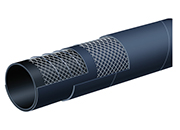
Chemical Hoses and Chemical Resistant Hose Asselies
Flextech chemical hoses have been developed over many years to offer the highest standards of chemical resistance, high temperature tolerance, flexibility and transfer rates in a range of specialist materials including PTFE, UHMWPE, FEP and EPDM. Each of our chemical resistant hoses provide the ideal balance of flexibility, purity, weight and durability while remaining excellent value for
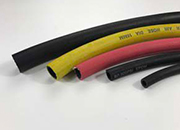
CHEMICAL RESISTANCE - Kuri Tec
The chemical resistance ratings for materials are based on pure material samples and may not take into account specific factors related to the material when used in a hose or tube. It is always advisable that the product be tested under actual conditions. Additionally, the Chemical Resistance Guide which follows does not imply conformance to any food handling regulations or federal or state