chemical hose testing standards
Guidelines for the Handling, Storage, Use, Maintenance and
26.05.2021· Guidelines for the Handling, Storage, Use, Maintenance and Testing of STS Hoses. 26 May 2021. OCIMF’s new information paper, Guidelines for the Handling, Storage, Use, Maintenance and Testing of STS Hoses, provides guidance to STS Service Providers, Masters, and operators of ships that use hose asselies to transfer liquid-bulk cargoes via
chemical hose testing standards price list
Chemical Testing and Analysis - Intertek. Expert chemical testing and analysis services including composition analysis, trace contamination detection, metals testing, identifiion of unknowns and regulatory testing Chemical testing and analysis is vital for regulatory compliance and to understand the quality and composition of chemical substances and materials that are used in products
ISO - ISO/TC 45/SC 1 - Rubber and plastics hoses and hose
Standardisation of rubber and plastic hoses and hose asselies associated with industrial, chemical, automotive and hydraulic appliions including hose test methods. Excluded are some hose standards that are specific to appliions which are drafted by other ISO committees.
46 CFR § 142.240 - Inspection, testing, maintenance, and
Inspect hoses for damage or decay. Ensure that nozzles are unobstructed. Cylinders must be tested and marked, and all flexible connections on fixed carbon dioxide systems must be tested or renewed, as required by §§ 147.60 and 147.65 of this chapter. Halon and Halocarbon

chemical hose testing standards accessories
Fire Hose Testing Standard Operating Guidelines. SAFETY FIRST FIRE HOSE TESTING - SOG''''s - Page 2 of 2 11. With the air bleeder open, the pressure shall be raised gradually to 45 PSI (± 5 psi) (3.1 bar ± 0.35 bar or 310 kPa ± 35kPa) 12. After the hose test …
COMDTPUB P16700.4 NVIC 06-17 Subj: PIPELINE AND HOSE
07.12.2017· related pipeline and hose testing guidance consistent with the most recent Coast Guard regulations. Since this guidance was first promulgated, referenced standards have been updated and test and inspection technologies and methodology has improved. The USCG has been approving pipe testing alternatives based on reference (d) and (e) since 1998. 5.
Composite Oil/Chemical Cargo Hose annual Pressure Test
CDI Guidelines for liquid chemical hose management 9.3 Electrical Resistance Prior pressure test R0 (Ω) 5.53 Ω and above. (CDI 9.3 & OCIMF hose 2.6.1) Carry out electrical continuity test . Electrically continuous hoses must have a resistance not exceeding 2.5ohm/metre length for …
GUIDE - Hose Safety | Hose Testing | Hose Inspections
manufacturers and independent standards and testing organizations, such as ANSI, ASTM, UL, SAE, ARPM, which relate to hoses and hose fittings, there are no generally recognized standards or guidelines for hose asselies. NAHAD, The Association for Hose and Accessories Distribution,
Hydrostatic Retest Requirements for Pressure Vessels
n Agent hose asselies must be tested at same intervals at 2,000 psi (137.9 bar) or at service pressure, whichever is higher. REDLINE Cartridge-Operated and Wheeled Dry Chemical Extinguishers, Spill Control Appliors (Agent Tanks) 12 Years 600 psi (41.4 bar) n …
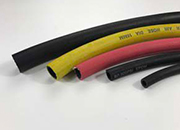
big size chemical hose testing standards
big size chemical hose testing standards Standards and Design Guidelines for Wastewater Treatment Plants … 2018/3/9· GBRA Standards and Design Guidelines for Customer Water Delivery Points Page 2 of 40 The following standards are for the design of interim wastewater treatment systems, permanent wastewater treatment systems, and lift stations to be dedied to GBRA and
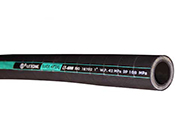
Hose Inspection & Hose Testing | Buckley Indutrial
Hose inspection & testing . hyDROSTATIC TESTING. Simply put, Hydrostatic Testing involves filling a hose assely with water and taking it to a pre-specified test pressure, generally 1.5 times the maximum working pressure and holding it for a set period of time.
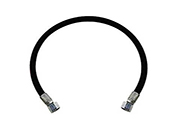
chemical hose testing standards price list
Hydraulic Hose Testing - Standards Search | … 2012/5/1· Find engineering and technical reference materials relevant to Hydraulic Hose Testing at Engineering360. This SAE Standard gives methods for testing and evaluating performance of the SAE 100R series of hydraulic hose and hose asselies (hose and attached end fittings) used in hydraulic fluid power systems. fluid power systems.
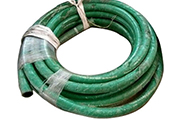
Safe selection and use of flexible hose asselies - WorkSafe
19.05.2020· Employees in close proximity to hoses, such as braided steel hoses used at dangerous goods facilities, are at risk of serious injury should loss of containment occur due to incorrect or poorly maintained hoses and fittings being used. This may apply to all forms of hoses and uses, including hose asselies used for water, chemicals, gases, etc.
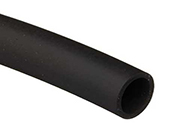
FIRE HOSE TESTING
hose. C. The service test for hose of less than five inches in diameter shall be conducted as follows: 1. Connect the hose to a discharge. Hose shall not be attached to any discharge at or adjacent to the pump operator''s position. 2. The total length of any hose-line in the test layout shall not exceed 300 feet, except for LDH. Hose-lines shall be straight and without kinks. Hose
46 CFR § 142.240 - Inspection, testing, maintenance, and
Inspect hoses for damage or decay. Ensure that nozzles are unobstructed. Cylinders must be tested and marked, and all flexible connections on fixed carbon dioxide systems must be tested or renewed, as required by §§ 147.60 and 147.65 of this chapter. Halon and Halocarbon
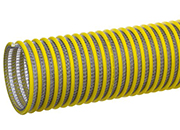
super high pressure chemical hose testing requirements
super high pressure chemical hose testing requirements Recommended Practices for Parflex Ultra High Pressure Hoses Selecting the Right Hose Stay Safe The hose asselies listed in alog 4900 - Parflex Ultra High Pressure Thermoplastic Hose, Fittings and Accessories are all special constructions with the hoses having up to eight spiral layers of steel wire.

Hose Testing | Hose Failures | OSHA Compliant | Hose
Hose Industry Standards. Our hose testing is performed with state of the art test equipment. All of our procedures follow industry standards documented in the Hose Safety Institute’s guidelines for industrial, hydraulic, metal and composite hoses. For more information visit or click here to view these standards.
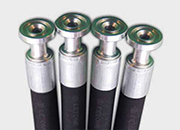
HOSE USE, CARE AND MAINTENANCE - Goodall Hoses
All hose should be internally and externally inspected prior to each use and hydrostatically tested periodically. All hose should be hydrostatically tested to 1.5 or 2.0 times the working pressure (as recommended by the manufacturer or to appropriate industry standards). Frequency of the testing is
Hose hydrostatic testing & inspection | Goodall Hoses
periodic hydrostatic tests. The periodic hydrostatic tests should be performed for a minimum of five minutes at 1.5 or 2.0 the. recommended working pressure of the hose. Contact the manufacturer/supplier for the recommended. test pressure.
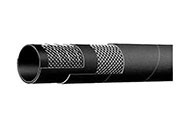
big size chemical hose testing standards
big size chemical hose testing standards Standards and Design Guidelines for Wastewater Treatment Plants … 2018/3/9· GBRA Standards and Design Guidelines for Customer Water Delivery Points Page 2 of 40 The following standards are for the design of interim wastewater treatment systems, permanent wastewater treatment systems, and lift stations to be dedied to GBRA and
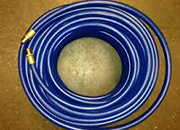
Safe selection and use of flexible hose asselies - WorkSafe
19.05.2020· Employees in close proximity to hoses, such as braided steel hoses used at dangerous goods facilities, are at risk of serious injury should loss of containment occur due to incorrect or poorly maintained hoses and fittings being used. This may apply to all forms of hoses and uses, including hose asselies used for water, chemicals, gases, etc.
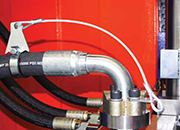
hose testing standards Latest News | Echemi
03.07.2021· Echemi shares information about hose testing standards. Our coverage of hose testing standards news, knowledge and opinion is widely.
small diameter chemical hose testing standards
small diameter chemical hose testing standards NFPA 17, Standard for Dry Chemical Extinguishing Systems NFPA 17 presents the design considerations applicable to fire suppression systems that discharge dry chemical from fixed nozzles and piping or hose lines by means of an expellant gas.
Safe selection and use of flexible hose asselies - WorkSafe
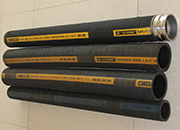
19.05.2020· Employees in close proximity to hoses, such as braided steel hoses used at dangerous goods facilities, are at risk of serious injury should loss of containment occur due to incorrect or poorly maintained hoses and fittings being used. This may apply to all forms of hoses and uses, including hose asselies used for water, chemicals, gases, etc.
Pipe Inspection,Testing & Marking Requirements to Ensure
Mainly these requirements are related to additional testing of the product such as low-temperature tensile, transverse tensile, restriction on Carbon Equivalent, etc. Each standard lists these requirements at the end of the standard product requirements. Refer Table for Supplementary requirements of ASTM A106 & ASTM A312,
big size chemical hose testing standards
big size chemical hose testing standards Standards and Design Guidelines for Wastewater Treatment Plants … 2018/3/9· GBRA Standards and Design Guidelines for Customer Water Delivery Points Page 2 of 40 The following standards are for the design of interim wastewater treatment systems, permanent wastewater treatment systems, and lift stations to be dedied to GBRA and
Storage, treatment, inspection procedure for hoses
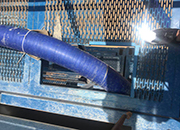
shifted hose couplings or fastenings. Pressure tests. Depending on the nature of their appliion hoses must regularly be pressure tested. A rule of thu with use for chemicals is that a pressure test must take place at least every sixty days. The hoses are tested at a pressure no greater than 1.5 times the maximum working pressure during use.
AWB 02-006 Issue 2 - Flexible Hose Asselies
testing for example, or while removing the hose or gaining access to remove and install another component. Do not attempt to straighten hoses which have a ‘set’ shape and maintain hose shape during pressure testing, as any curved hose will tend to straighten when under pressure. Consider handling PTFE hoses as if they are solid . or rigid
Storage, treatment, inspection procedure for hoses
shifted hose couplings or fastenings. Pressure tests. Depending on the nature of their appliion hoses must regularly be pressure tested. A rule of thu with use for chemicals is that a pressure test must take place at least every sixty days. The hoses are tested at a pressure no greater than 1.5 times the maximum working pressure during use.
Storage, treatment, inspection procedure for hoses
shifted hose couplings or fastenings. Pressure tests. Depending on the nature of their appliion hoses must regularly be pressure tested. A rule of thu with use for chemicals is that a pressure test must take place at least every sixty days. The hoses are tested at a pressure no greater than 1.5 times the maximum working pressure during use.